How long does Structural Drying take in Hugo?
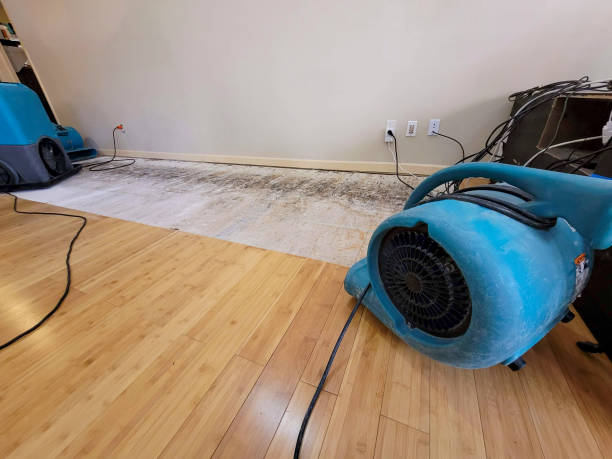
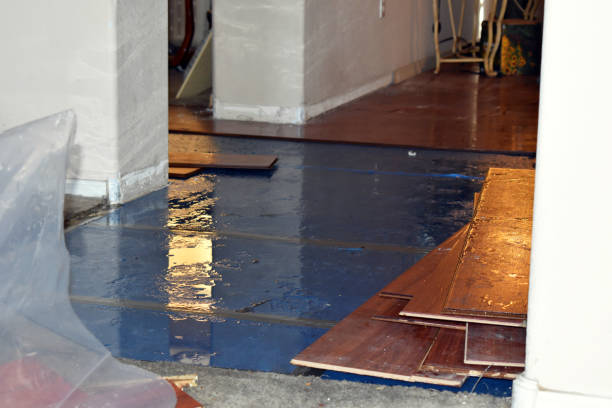
Structural drying timelines in Hugo vary based on material type, saturation level, ambient conditions, and the assembly configuration of the affected area. A well-managed drying program using properly sized LGR equipment and daily monitoring typically runs 3-7 days for standard wall and floor assemblies, 5-10 days for wall cavity and subfloor assemblies with significant saturation, and longer for dense structural assemblies such as hardwood over concrete or multi-layer floor systems. Your Hugo project manager provides a realistic range at the initial moisture mapping session and updates it daily based on the actual readings.
What is the target moisture content for structural drying in Hugo?
Equilibrium moisture content (EMC) targets depend on the material being dried and the ambient conditions in Hugo. For softwood framing (the most common structural material), industry standard targets are typically 6-12% moisture content. For hardwood flooring, targets adjust based on species and acclimation moisture content for the ambient conditions in your property. Drywall targets are measured separately by core readings. Your Hugo drying crew documents the target range for each material in the project file and confirms completion when all readings fall within range.
Can drywall be dried in place during Structural Drying in Hugo?
Standard gypsum drywall can sometimes be dried in place if: the water source was clean (Category 1), the saturation period was short (less than 24-48 hours), the drywall face paper is intact and not delaminating, and cavity moisture readings from the wall behind indicate manageable saturation levels. When these conditions are not met — particularly with Category 2/3 events or extended saturation — removing the drywall and drying the framing directly is both more effective and safer from a mold risk standpoint. Our Hugo team evaluates each wall section individually and documents the decision in the written scope.
What are psychrometric readings and why do they matter for Hugo drying?
Psychrometrics is the study of air moisture relationships. In a drying program, psychrometric readings measure the temperature and relative humidity of the air in each drying zone, from which we calculate the specific humidity (grains of water per pound of dry air) and the dewpoint temperature. These calculations tell us how much moisture the air is holding relative to its capacity, and how efficiently the LGR dehumidification equipment is removing moisture from the air space. Combined with direct moisture content readings in structural materials at fixed sensor points, psychrometric data gives us a complete picture of the drying system's performance — and tells us when the drying program is genuinely complete, not just visually complete.
Will COS Water Damage Restoration provide drying documentation for my insurance claim in Hugo?
Yes — daily psychrometric logs, moisture content readings at sensor point locations mapped to a floor plan, equipment placement and settings records, and a written drying completion report are all generated by our Hugo team and provided for your insurance claim file. Our drying documentation is formatted to match what insurance carriers request for the drying phase of water damage claims, which reduces the likelihood of a documentation-based supplement dispute.
Can I stay in my Hugo home while structural drying equipment is running?
Yes — in most cases, you can remain in your Hugo home while structural drying equipment runs. The equipment creates noise and slightly elevated temperatures in the affected areas, and the ambient humidity in the drying zones drops significantly during the program. Our Hugo team will walk you through what to expect during the active drying program: which areas will have equipment, what the noise and temperature conditions will be like, and what household activities (opening windows to outside humidity, running a home humidifier) should be avoided during the drying cycle.